

How to choose personal hygiene products for limited mobility
Key Takeaways
Choosing personal hygiene products for limited mobility starts with understanding the person, the space, and the tasks that feel difficult. The right aid should make care safer, more comfortable, and easier to repeat.
- Assess balance, reach, grip, vision, and sensory needs before buying.
- Choose bathing, toileting, grooming, and skin-care aids for specific tasks.
- Prioritize stable seating, reachable storage, and easy-to-clean materials.
- Use routines that conserve energy and preserve privacy.
- Reassess products as comfort, strength, or mobility changes.
Assess individual hygiene needs and limitations
A product that works well for one person may be awkward or unsafe for another. Start by observing the whole routine, from entering the bathroom to drying and putting products away. Small barriers, such as a stiff cap or a slippery handle, can turn a simple task into a tiring one. A thoughtful assessment helps each purchase solve a real problem.
Identify mobility, balance, and reach challenges
Consider whether the person can stand long enough to shower, step over a tub edge, bend toward the feet, or reach the back and lower body. Note when fatigue or pain appears, rather than judging ability by a single good day. A seated option, long-handled tool, or product placed within arm’s reach may reduce unnecessary movement. Personal hygiene tips can also help with breaking tasks into manageable steps.
Consider grip strength, dexterity, and coordination
Look for tools that can be held without pinching tightly or twisting the wrist. Enlarged handles, pump bottles, and one-handed closures may help when fingers are weak or coordination varies. Test the weight of a product when wet, since water and soap can make it harder to control. The best choice is often the tool that feels predictable after several uses.
Account for vision, cognition, and sensory needs
Labels, colors, textures, sounds, and scents all affect usability. High-contrast containers and consistent placement can make products easier to identify, while fragrance-free formulas may suit people who are sensitive to smells. Keep instructions simple and visible if memory or sequencing is a concern. A calm, uncluttered bathroom can be as helpful as an adaptive device.
Decide between independent and caregiver-assisted use
Some people need occasional help, while others need support for transfers, washing, or cleanup. Choose products that allow the person to do as much as possible without making assistance harder. Discuss consent, timing, and preferred forms of help before establishing a routine. Independence can mean completing one step privately, not necessarily doing every step alone.
Choose products for bathing and showering
Bathing aids should lower effort without adding a new safety concern. Compare the person’s balance, shower layout, water controls, and ability to dry afterward. A shower chair or handheld spray may be more useful than a collection of small accessories. Guides to accessible bathing products offer additional ideas for different mobility levels.
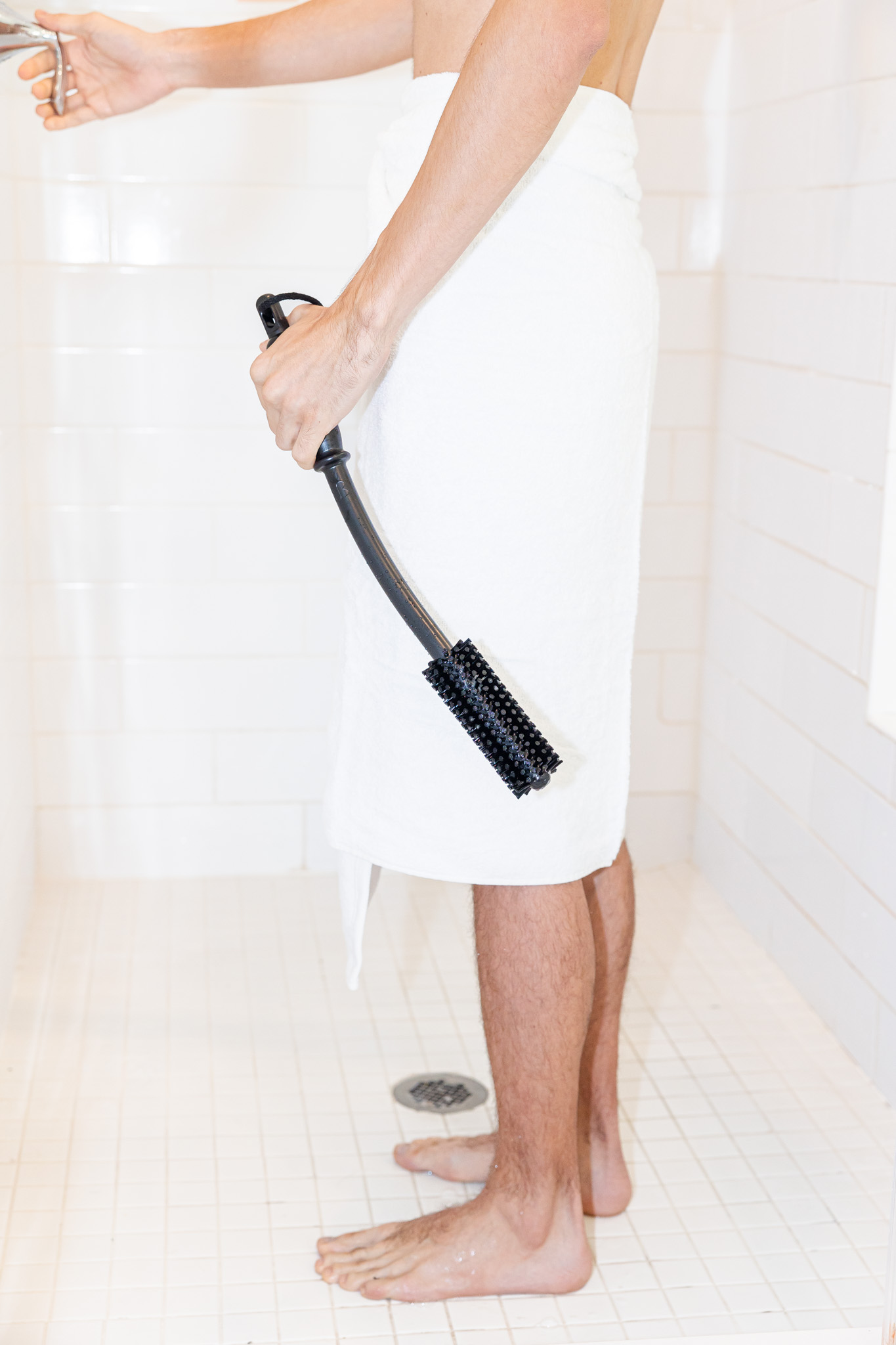
Long-handled sponges and body brushes
A long handle can reduce bending and help reach the back, legs, and feet. Choose a shape that can be controlled with a relaxed grip, and check that the head is gentle enough for the skin. A hanging loop can make drying and storage easier. Rinse the tool after use and replace it when the material becomes worn or difficult to clean.
Handheld showerheads and shower chairs
A handheld showerhead lets the user direct water while seated, which may reduce standing and turning. A shower chair should fit the available space, remain stable on the floor, and allow safe transfers. Check whether the controls can be reached without leaning across the water stream. Bathing and shower aids provide a useful starting point when comparing these options.
No-rinse bathing wipes and rinse-free cleansers
No-rinse products can help on days when a full shower is too tiring or unsafe. Use them for targeted cleaning, following the product directions and paying attention to skin reactions. They are especially practical for travel, recovery, or care in bed. They do not remove the need to keep skin folds dry and to seek clinical advice for persistent irritation.
Shampoo caps and adaptive hair-washing tools
A shampoo cap or basin-style tool may make hair care possible without standing at a sink or leaning over a tub. Consider water temperature, drainage, hair length, and the person’s ability to tolerate pressure around the head. A lightweight tool is easier to manage when arms fatigue. Keep towels and clean clothing nearby so the final steps do not require extra walking.
Select toileting and incontinence supplies
Toileting products should support dignity as well as physical safety. Begin with transfers, sitting height, reach, wiping, cleansing, and changing clothes. Fit matters: an aid that moves, pinches, or requires too much force will not become easier through repetition. Products for toileting and daily grooming can help organize options across these tasks.
Raised toilet seats and toilet safety frames
A raised seat may reduce the distance required to sit and stand, while a safety frame can provide stable hand support. Confirm that the seat and frame are compatible with the toilet and do not interfere with transfers. Avoid relying on towel racks or nearby furniture as substitutes for properly installed supports. A professional assessment is wise when balance is poor or transfers are unpredictable.
Bidet attachments and handheld cleansing sprays
Water-based cleansing can reduce the reach and friction required for toileting. Choose controls that are easy to operate and position the spray so it can be used without twisting. Check water pressure and temperature carefully before regular use. The surrounding floor should remain as dry as possible to prevent slips.
Bottom-wiping aids and extended-reach tools
A toilet-paper holding aid is designed to hold and release tissue or wipes for after-toilet cleaning. Booty Brush is a different product: an external shower brush, not a tissue holder. Choose the tool designed for the task, follow its care directions, and dispose of wipes according to their label and local guidance.
Absorbent underwear, pads, and protective bedding
Absorbency, fit, skin comfort, and ease of changing all matter. Disposable pads may suit occasional leakage, while washable or absorbent underwear can feel more like regular clothing for some people. Protective bedding reduces laundry pressure but should not replace timely changes. Track patterns with a clinician if leakage is new, painful, or worsening.
Find adaptive oral care and grooming products
Oral care, shaving, and nail care are easier when tools match the user’s movement and endurance. A routine does not need to be elaborate to be effective. Place the essentials where they can be reached while seated, and avoid requiring several transfers for one task. Choose comfort and control over extra features.

Electric toothbrushes and enlarged-handle brushes
An electric toothbrush can reduce the hand motion required for brushing, while an enlarged handle may help someone who prefers a manual brush. Choose a head and bristle firmness that suit the person’s dental needs. A non-slip grip is helpful near a wet sink. Dental advice should guide choices when there is pain, bleeding, or limited mouth opening.
Flossing aids and water flossers
Floss holders can reduce the finger coordination needed to guide string floss. A water flosser may be useful for some people, but it still requires setup, aiming, and cleaning. Consider whether the person can fill the reservoir and manage splashing. Ask a dental professional which approach fits the person’s teeth, gums, and dexterity.
Electric razors and low-effort grooming tools
Electric razors may reduce the need to stretch skin and control a sharp blade. Select a model that is comfortable to hold and simple to charge or clean. For any grooming tool, use a seated position if balance is uncertain. Stop if vibration, pressure, or heat causes discomfort.
Nail care tools with ergonomic grips
Nail clippers with broad handles can be easier to squeeze than small, narrow versions. A stable table surface and good lighting improve control, especially for people with reduced vision. Do not cut nails too short, and seek assistance when circulation, sensation, or flexibility is impaired. A podiatrist may be the safest option for difficult toenails.
Support skin care and personal cleanliness
Limited mobility can make it harder to notice dampness, pressure, or irritation in areas that are difficult to see. Skin care works best when it is gentle, consistent, and built into existing routines. Avoid scrubbing hard to compensate for missed areas. Clean, dry skin and comfortable clothing are usually more useful than a complicated product collection.
Gentle cleansers for sensitive or fragile skin
Choose mild, fragrance-free cleansers when skin is dry, reactive, or easily irritated. Use lukewarm water and pat rather than rub when drying. Pay attention to folds and areas under medical equipment without pulling or shifting anything unnecessarily. Persistent redness, open skin, pain, or odor deserves medical guidance.
Moisturizers and barrier creams
Moisturizer can reduce dryness after cleansing, especially on arms, legs, and other exposed areas. Barrier creams may help protect skin from repeated contact with moisture, but they should be used as directed. Apply a thin layer rather than building up residue. Keep products labeled and separate if more than one cream is used.
Deodorants and easy-application products
Roll-ons, sticks, sprays, and wipes offer different levels of control. Pick the format that can be applied without painful reaching or a tight grip. Apply only to clean, dry skin and stop if burning or rash develops. Feeling fresh is a personal preference, so the routine should reflect what makes the individual comfortable.
Products for preventing moisture-related irritation
Moisture can collect in skin folds, under breasts, around the groin, or beneath absorbent products. Gentle cleansing, careful drying, breathable clothing, and timely changes can help. Avoid powders or fragranced products unless a clinician recommends them. Daily skin checks matter when sensation or movement is reduced.
Improve bathroom safety and product accessibility
A useful hygiene product cannot compensate for an unsafe route to the bathroom. Look at lighting, flooring, transfer points, water controls, and where items are stored. Keep frequently used supplies easy to reach without stretching across a wet surface. Safety changes should support the person’s routine rather than make the room feel restrictive.
Non-slip flooring, grab bars, and transfer supports
Use non-slip surfaces designed for wet rooms and install grab bars into appropriate structural support. A transfer bench, bath lift, or other support may be appropriate depending on the person’s movement and bathroom layout. Have equipment fitted or reviewed by a qualified professional when possible. Never treat a suction handle as a permanent substitute for an installed grab bar.
Easy-open packaging and pump dispensers
Pump dispensers can reduce twisting, but they still need a stable base and enough force to operate. Decanting products may help, provided containers remain clearly labeled and clean. Test caps, seals, and dispensers with wet hands before making them part of the routine. Discard containers that crack, leak, or become difficult to identify.
Product placement for safer daily routines
Store soap, shampoo, towels, oral-care items, and skin products at the height where they will be used. Grouping supplies by task can reduce searching and unnecessary movement. A small shower caddy may help, but it must not create a tripping or transfer obstacle. Keep emergency contacts and a call device accessible if falls are a concern.
Cleaning and maintenance considerations
Adaptive products need regular rinsing, drying, and inspection. Follow manufacturer instructions for shower chairs, sprays, brushes, and electrical items. Replace worn bristles, cracked grips, stained cushions, or loose hardware promptly. A short maintenance check each week can prevent a small problem from becoming a safety issue.
Build a practical personal hygiene routine
The most effective routine is one the person can repeat without excessive fatigue or anxiety. It may include a full shower on some days and shorter cleansing, oral care, and skin checks on others. Plan around energy levels, medication timing, work, and appointments. A personal care routine guide can offer more ideas without assuming every person needs the same schedule.
Organize products by time of day and task
Keep morning items together and evening items together, or arrange products in the order they are used. A labeled basket can make the sequence visible and reduce decisions. Store backup supplies somewhere easy to reach, but avoid overcrowding the bathroom. The goal is fewer steps, not more equipment.
Create step-by-step routines for independent care
Write or draw a short sequence for tasks that are easy to forget or tiring to plan. Test it during a normal day, then simplify anything that causes delays. A routine might include washing, drying, moisturizing, dressing, and cleaning the tools. These four habits often make the sequence easier to sustain:
- Sit for tasks that do not require standing.
- Gather all supplies before beginning.
- Rest between bathing, drying, and dressing.
- Keep a backup plan for low-energy days.
After the list, notice which step still causes difficulty and adapt that step rather than adding more instructions. Independence grows when the routine matches real energy and movement.
Plan caregiver assistance while preserving privacy
Agree in advance on what help is wanted, when it is needed, and which tasks remain private. A caregiver can prepare supplies or monitor safety without taking over every action. Use clear, respectful language and allow extra time where possible. Preferences may change from day to day, so checking in is part of good care.
Review comfort, effectiveness, and changing needs
Revisit products after a few weeks and after any change in strength, balance, pain, sensation, or living arrangement. Ask whether the item is genuinely reducing effort and whether it remains safe when wet or tired. Replace products that are avoided because they feel awkward. Personal hygiene products for limited mobility should evolve with the person, not lock them into one routine.
Conclusion
The right hygiene products make daily care safer, more comfortable, and more personal. Start with the task that is hardest, choose one practical aid, and build a routine that respects energy, privacy, and changing needs.
Frequently Asked Questions
What should I consider first when choosing hygiene products for limited mobility?
Start with balance, reach, grip, endurance, vision, and the bathroom layout. Identify the specific task that feels unsafe or exhausting before choosing a product.
Are shower chairs suitable for everyone with limited mobility?
Not automatically. The chair must fit the space, support the person’s weight, and allow safe transfers. Professional advice can help when balance or transfers are difficult.
How can someone bathe when a shower is too tiring?
No-rinse cleansers, bathing wipes, seated washing, and hair-washing caps may help on low-energy days. Keep the skin dry afterward and follow product directions.
What products can help with toileting independence?
Raised seats, safety frames, cleansing sprays, bidet attachments, and extended-reach wiping aids may reduce bending and reaching. Fit and safe installation are essential.
How can bathroom products be made easier to use?
Choose pump dispensers, enlarged handles, high-contrast labels, and products that remain stable when wet. Store them at the point of use and remove unnecessary clutter.
How often should adaptive hygiene products be replaced?
Inspect them regularly and replace items when they crack, loosen, become worn, or are difficult to clean. Follow any care or replacement guidance supplied with the product.
When should a clinician be consulted about skin or hygiene concerns?
Seek advice for persistent redness, pain, open skin, unusual odor, bleeding, sudden incontinence, or changes that do not improve with gentle care. A clinician can identify causes and recommend appropriate treatment.
View Booty Brush and its available bristle options to compare its design with your shower routine.
