

How to Choose and Use a Butt Scrubber in the Shower
Key Takeaways
A butt scrubber used in the shower can make external cleansing easier when reaching, balance, or flexibility is limited. The best choice is gentle, easy to control, simple to rinse, and comfortable enough to use without pressure.
- Choose a handle and brush head that match your reach, mobility, and skin sensitivity.
- Clean only the external skin, using water and a mild, fragrance-free cleanser if needed.
- Let the brush do the work; vigorous scrubbing can cause irritation and small abrasions.
- Rinse and dry the scrubber thoroughly after every shower.
- Stop if you feel pain, notice bleeding, or develop ongoing redness or swelling.
What a butt scrubber in the shower is designed to do
A booty brush is designed to help wash external skin that can be awkward to reach with a hand or ordinary washcloth. Its handle may make it easier to clean while standing, sitting, or changing position in the shower. The goal is not a harsher scrub, but a more manageable way to keep up with everyday personal care. A comfortable routine can support confidence without making hygiene feel like a chore.
How it supports hard-to-reach personal hygiene
A long handle gives you more distance between your hand and the brush head, which can be useful when bending or twisting is uncomfortable. It can also help people who simply prefer not to reach directly into a sensitive area. Use gentle strokes over the buttocks and the surrounding external skin, adjusting your position rather than pressing harder. The right tool should improve access while still allowing you to stay relaxed and in control.
Butt scrubbers versus washcloths, loofahs, and bidets
Each cleansing aid has a different feel and function. A washcloth is flexible and familiar, while a loofah can provide a more textured surface but may feel too rough for sensitive skin. A bidet uses water rather than friction and can be useful as part of a broader routine, though it does not replace washing the surrounding skin and drying carefully. A booty brush mainly adds reach and control, so personal preference, bathroom setup, and skin comfort matter more than choosing the most elaborate option.
Who may benefit from a long-handle design
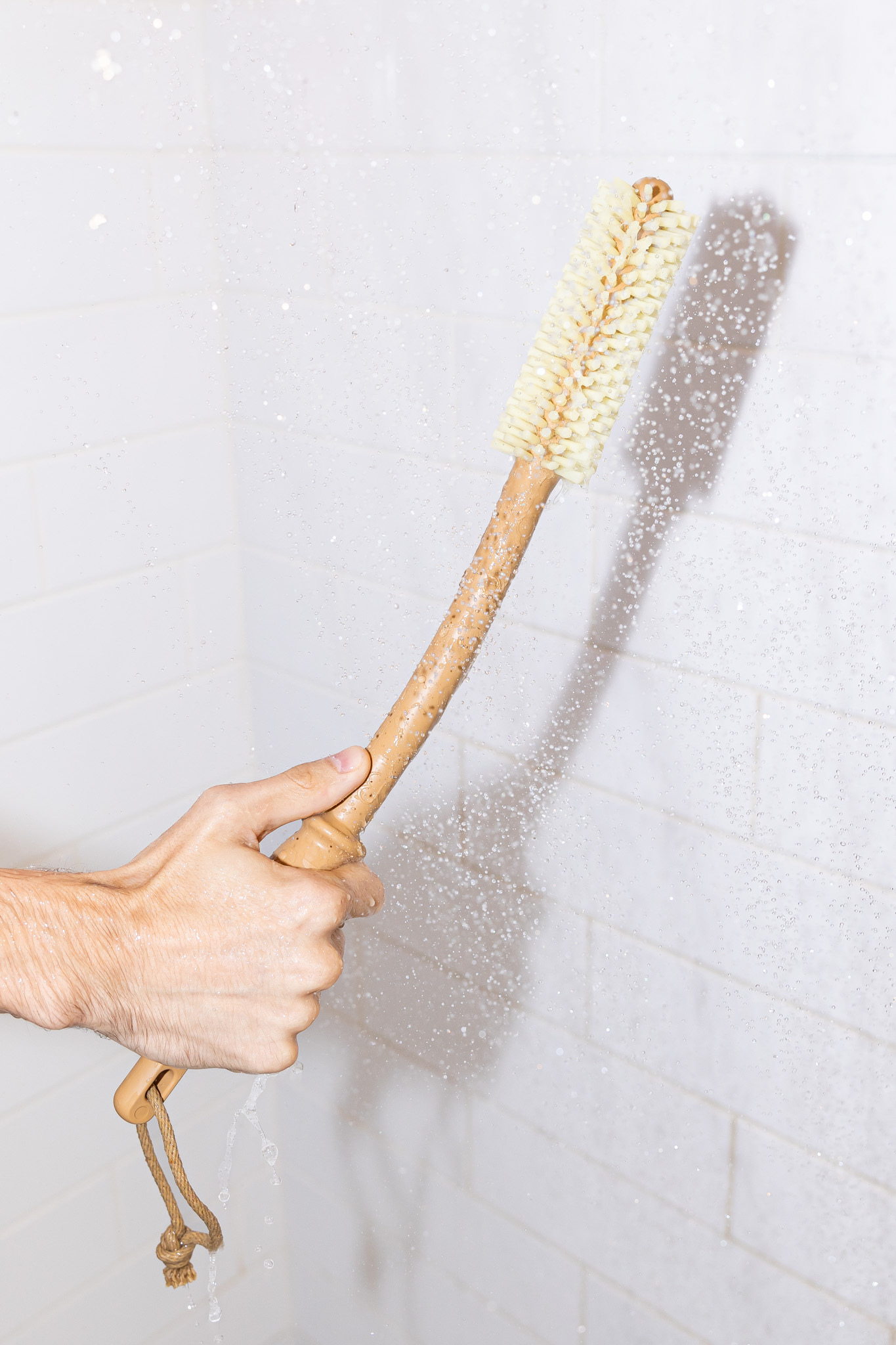
A long handle may be useful when reaching behind the body is difficult. Booty Brush is one shower option with an 18-inch curved design. Check the actual grip, movement, and texture rather than assuming one design suits everyone.
How to choose the right scrubber
Choosing a scrubber is mostly a matter of fit rather than appearance. Consider how far you need to reach, how firmly you can hold a handle, and how your skin reacts to texture. Storage matters too, because a brush that stays damp or falls on the floor is less convenient to use. Booty Brush focuses on personal hygiene products intended to make daily routines more accessible and effective, but the same practical checks apply to any brand.
.png)
Read the product details closely, then think about how the scrubber would work in your actual shower. A tool that feels manageable in a shop or photograph may be awkward when wet, so grip and balance deserve attention before price or color.
Handle length, grip, and flexibility
The handle should reach the intended area without forcing you to lean, twist, or stretch. A textured grip can be easier to hold with wet hands, while a slightly flexible neck may follow the body more comfortably than a rigid one. On the other hand, too much flexibility can make the brush difficult to steer. If you have reduced hand strength, look for a shape that does not require a tight squeeze.
Bristle softness and skin sensitivity
Soft silicone or flexible bristles are often more comfortable for delicate skin than stiff, abrasive fibers. Even a soft head can irritate if you use too much pressure or repeat strokes over one spot. If your skin is prone to dryness, eczema, or chafing, test the lightest touch first and consider using plain water. The brush should glide rather than scratch.
Suction cups, hanging loops, and storage features
Storage features are useful when they help the brush dry between uses. A hanging loop can keep the head off a wet ledge, while suction cups may hold the handle in a convenient spot if they adhere securely to a clean, smooth surface. Avoid storing the brush where shower spray constantly hits it. Good placement reduces clutter and makes the scrubber easier to reach without bending or stepping across a slippery floor.
Disposable, replaceable, and reusable options
Reusable scrubbers create less routine waste, but they need consistent cleaning and eventual replacement. A replaceable head can extend the life of a sound handle, while a disposable option may appeal during travel or a short recovery period. Compare the cost of replacement parts, not just the initial purchase price. The most practical option is one you can keep clean and use comfortably over time.
How to use a butt scrubber in the shower correctly
Using a shower scrubber safely starts with a light touch and a clear boundary: clean the external skin only. Warm water can loosen sweat and residue before you introduce a brush. You do not need to scrub until the skin feels squeaky or tight. A short, gentle pass followed by thorough rinsing is usually a better approach than repeated friction.
Wetting the brush and applying a mild cleanser
Run warm water over the brush head before use so it is damp and pliable. If cleanser is needed, choose a mild, fragrance-free product and use a small amount; plain water may be enough for some routines. Apply the cleanser to the brush or skin according to the product directions, keeping it away from internal tissue. If you are unsure about products or technique, this offers additional general advice about gentle cleansing.
Cleaning the external skin without over-scrubbing
Use slow strokes over the buttocks and nearby external skin, moving the brush rather than grinding it in place. Let the water and cleanser lift residue, and pause if the area feels hot, stings, or becomes tender. A few deliberate passes are enough; cleanliness does not require vigorous pressure. Gentle pressure protects comfort and makes it easier to notice when your skin has had enough.
Rinsing thoroughly and drying after use
Rinse the skin until all cleanser and loosened residue are gone. Soap left behind can contribute to dryness or irritation, especially in skin folds. Pat dry with a clean towel instead of rubbing, and give the area time to dry fully before dressing. Moisture control is a quiet but valuable part of a comfortable hygiene routine.
Never use the scrubber internally
Do not insert a shower scrubber into the anus or any other body opening. Brush heads are made for external surfaces, and internal tissue can be injured by friction, pressure, or trapped cleanser. If internal cleansing is a concern, ask a healthcare professional for advice rather than improvising with a brush. External washing with water is generally the gentler starting point.
Safety and skin-care considerations
Skin around the buttocks and anus can be sensitive, particularly after illness, exercise, shaving, or a bowel movement. A scrubber should make access easier without turning cleansing into exfoliation. Start conservatively, pay attention to how your skin feels later in the day, and change the routine if redness or soreness appears. Booty Brush’s broader focus is cleanliness, comfort, confidence, and helping every body feel at ease, which are useful standards for evaluating any personal-care tool.
Preventing irritation, chafing, and small abrasions
Keep the brush moving and use minimal pressure, particularly over thin or already tender skin. Do not use a scrubber on broken skin, sunburn, or a fresh rash unless a clinician has advised you to do so. If clothing causes rubbing afterward, choose breathable fabric and avoid applying heavily fragranced products to the area. Irritation that persists is a signal to simplify the routine.
Why harsh soaps and aggressive scrubbing can be harmful
Strong soaps, fragrance, alcohol, and repeated scrubbing can strip the skin’s protective oils. That may leave the area dry, itchy, or more vulnerable to tiny cracks. The anus itself does not need abrasive cleaning, and cleanser should not be pushed into it. Water and a gentle approach are often preferable to trying to create a highly scrubbed feeling.
Adjusting use for hemorrhoids, rashes, or sensitive skin
When hemorrhoids, a rash, or unusual sensitivity is present, skip the brush until you know it will not worsen symptoms. Rinse with lukewarm water, pat dry, and follow any care instructions from your clinician. If you return to using a scrubber, choose the softest head and the shortest, lightest session first. Stop again if discomfort returns.
When discomfort or bleeding calls for medical advice
Pain, bleeding, open sores, swelling, discharge, or persistent itching deserves more than a change of brush. Stop scrubbing and seek medical advice, especially if symptoms are new, worsening, or recurring. A small amount of irritation can settle after removing the trigger, but unexplained bleeding should not be treated as a normal part of bathing. Professional guidance can identify the cause and the safest care.
How to keep the scrubber clean and hygienic
The brush touches areas where body residue and cleanser can collect, so cleaning the tool is part of using it responsibly. Rinse it immediately rather than leaving soap to dry in the bristles or grooves. Then store it where air can circulate. A clean, dry scrubber is more pleasant to use and less likely to develop an odor.
Rinsing away soap and body residue
Hold the brush under running water and work your fingers through the bristles or textured surface. Pay attention to the base of the head, handle joints, and any grooves where residue may remain. Shake off excess water when rinsing is complete. If the brush still feels slippery after rinsing, keep flushing it rather than adding more cleanser.
Drying the brush between showers
Place the scrubber in a ventilated area, preferably hanging with the head exposed to air. Avoid a closed container while it is still wet, since trapped moisture encourages unpleasant smells and microbial growth. If the bathroom stays humid, move the brush to a drier location when possible. Drying time is part of the product’s useful life.
Disinfecting according to the manufacturer’s instructions
Only disinfect the scrubber in ways the manufacturer permits. Some materials tolerate warm water or a particular cleaning solution, while others can warp, crack, or lose their finish. Never mix cleaning chemicals, and rinse thoroughly after any approved treatment. When instructions are unclear, ordinary rinsing, ventilation, and replacement are safer than experimenting.
Knowing when to replace the scrubber
Replace the brush when bristles become sharp, the head cracks, the handle loosens, or the surface develops a persistent odor or discoloration. A damaged head can create rough edges that irritate skin. Replacing it earlier is sensible if someone in the household has an infection or the brush has been contaminated. Keep a simple replacement schedule if remembering is difficult.
Choosing materials for comfort and durability
Materials affect how a scrubber feels, dries, and holds up in a wet bathroom. No single material is ideal for every person or shower routine. Look at the head, handle, joints, and storage method as one system rather than judging the bristles alone. Booty Brush describes its products as high-quality personal hygiene products, while shoppers should still inspect the construction and care instructions of the specific item they choose.
Silicone, nylon, and natural-fiber brush heads
Silicone heads are often easy to rinse and can feel smooth against the skin. Nylon bristles may provide more traditional brush feedback, but softness varies widely by design. Natural fibers can have a distinct texture and may require more careful drying in a humid room. Whatever the material, the surface should feel comfortable during a short test rather than merely look soft in a product photograph.
Mold and mildew resistance in damp bathrooms
A brush advertised as resistant to mold or mildew may be easier to maintain, but no material stays hygienic when covered in residue and stored wet. Sealed surfaces and fewer deep crevices generally simplify cleaning. Check whether water can drain from the head and whether the handle has seams that trap moisture. Regular rinsing and airflow remain necessary.
Handle construction and water resistance
Inspect where the handle joins the brush head, since that connection receives repeated bending and wet handling. A water-resistant handle should still be rinsed and dried according to its instructions. Textured plastic, sealed silicone, or another non-slip surface can help with control, but the grip should not create pressure points. If a handle flexes unexpectedly or shows a crack, retire the tool.
Balancing comfort, longevity, and price
The least expensive option may cost more if it needs frequent replacement, while a premium material is not automatically more comfortable. Weigh reach, grip, head texture, cleaning needs, and replacement availability together. It is reasonable to pay more for a design that you can use gently and consistently. The best value is a scrubber that supports your routine without adding pain or needless maintenance.
Making personal hygiene easier and more accessible
A shower scrubber is only one part of a safe bathroom routine. Stability, lighting, water temperature, and the location of supplies can matter just as much as the brush. Personal hygiene should adapt to the person using it, whether that means sitting down, taking more time, or asking for assistance. Booty Brush centers its work on making daily routines more accessible and empowering, and accessibility can be practical, modest, and highly individual.
Using a shower stool or grab bar for stability
A shower stool can reduce bending and fatigue, while a properly installed grab bar may offer support when entering, turning, or standing. Do not use a towel rack as a substitute for a grab bar. Keep both feet stable and avoid reaching across a stream of water. If balance is a concern, consider having another person nearby until the setup feels secure.
Options for limited mobility and flexibility
A longer handle or larger grip may help with reach and control. An occupational therapist can assess equipment and technique when movement is significantly restricted. For brush design, see our long-handled bath brush guide.
Keeping the scrubber within safe reach
Store the brush at a height you can reach without stretching or stepping on the tub edge. A hanging loop near the shower entrance may be useful if it remains clear of foot traffic and spray. Keep cleanser nearby but not underfoot. Small changes to placement can prevent a routine hygiene task from becoming a balance challenge.
Pairing it with other cleansing aids when needed
A scrubber may work well alongside a handheld showerhead, washcloth, bidet, or rinse bottle, depending on your needs. Use each aid for the job it handles best rather than layering friction. A handheld sprayer can help rinse, while a soft cloth may be preferable during a flare-up. If you need help with toileting or bathing, a trusted caregiver and a healthcare professional can help create a routine that preserves dignity and independence.
Conclusion
A butt scrubber used in the shower can be a simple way to improve reach and make external cleansing feel more manageable. Choose a gentle, secure design, use it with light pressure, and keep it clean and dry between showers. When skin is sore or symptoms appear, pause and seek appropriate medical advice rather than scrubbing through discomfort.
Frequently Asked Questions
Is a butt scrubber in the shower safe to use every day?
There is no single safe schedule for everyone. Brushing is optional; use it only if your intact skin tolerates it, and stop when irritation or discomfort develops.
Should I use soap with a shower scrubber?
Use only a small amount of mild, fragrance-free cleanser if you need it. Plain water may be enough, and cleanser should not be used internally or left on the skin after rinsing.
Can I use a butt scrubber on hemorrhoids?
It is usually best to avoid brushing during a hemorrhoid flare unless a healthcare professional recommends otherwise. Lukewarm water, gentle rinsing, and patting dry may be more comfortable.
How often should I replace a shower scrubber?
Replace it when the head becomes rough, cracked, loose, persistently odorous, or discolored. The timing depends on the material, frequency of use, and care routine.
What is the best material for sensitive skin?
A soft, flexible surface is generally more comfortable than stiff bristles, but individual reactions vary. Test gently, stop at the first sign of irritation, and choose a material that is easy to rinse and dry.
View Booty Brush and its available bristle options to compare its design with your shower routine.
